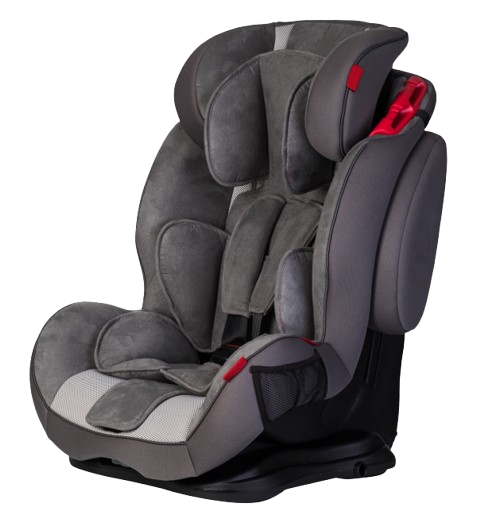
The Facts About Child Safety

71%

Reduction in death risk for infants with proper car seats

54%

Reduction in death risk for toddlers (1-4 years) with proper seats

45%

Reduction in injury risk with booster seats (4-8 years)

5x

Higher risk of serious injury for unrestrained children

DANGEROUS Practices That Kill

Child Sitting on Parent's Lap - A DEADLY Practice

In a collision at just 50 km/h, a 7kg baby becomes a 140kg projectile. When a child sits on a parent's lap:

  • The parent's body weight crushes the child - Even at low speeds, the parent becomes a deadly force crushing the child against the dashboard or seat in front
  • No protection from airbags - Airbags deploy at 300 km/h and can seriously injure or kill small children
  • Child becomes a projectile - The forward force can launch the child through the windscreen or into other passengers
  • Parent cannot hold on - No human arm strength can hold a child during a collision impact

Children Standing or Moving in Vehicle

  • Head and neck injuries - Standing children can be thrown against the roof, windows, or other hard surfaces
  • Ejection risk - Unrestrained children can be thrown from the vehicle in rollover crashes
  • Distraction to driver - Moving children distract the driver, increasing crash risk for everyone
  • No protection in sudden stops - Even emergency braking can seriously injure a standing child

Other Fatal Mistakes:

  • Adult seatbelts on young children - Can cause internal injuries and "seat belt syndrome"
  • Forward-facing too early - Children under 2 years should be rear-facing
  • Loose straps - Should not be able to pinch webbing between fingers
  • Coat under harness - Creates dangerous slack in restraint system
  • Car seat in front seat - Airbags can be deadly to children

Choosing the Right Car Seat

Age, weight, and height determine the safest restraint for your child

Birth - 2 Years
Up to 13kg
Rear-Facing Infant Seat
  • MUST face backward until at least 2 years old
  • 5-point harness system
  • Install in back seat only
  • 45-degree recline angle
  • Carrier-style or convertible
Extended rear-facing to 4 years is even safer!
2 - 4 Years
9kg - 18kg
Forward-Facing Car Seat
  • 5-point harness required
  • Top tether attachment
  • Back seat installation
  • Upright position
  • Keep rear-facing as long as possible
Don't rush to forward-facing - rear-facing is 5x safer!
4 - 8 Years
15kg - 36kg
Booster Seat
  • Uses vehicle's seat belt
  • Positions belt correctly
  • High-back or backless
  • Back seat recommended
  • Until 145cm tall
Belt should cross chest and hips, not neck or stomach!
8+ Years
Over 36kg / 145cm
Adult Seat Belt
  • Lap belt across hip bones
  • Shoulder belt across chest
  • Back against vehicle seat
  • Knees bend over seat edge
  • Feet flat on floor
All children under 12 should ride in the back seat!

Proper Installation Saves Lives

Installation Checklist:

  • Read all manuals - Both car seat and vehicle manual
  • Use ISOFIX if available - Rigid anchor points reduce installation errors
  • Check tightness - Seat should not move more than 2.5cm in any direction
  • Correct angle - Follow manufacturer's angle indicators
  • Harness height - At or below shoulders for rear-facing, at or above for forward-facing
  • Professional check - Have installation checked by certified technician

Common Installation Errors:

  • Loose installation - 73% of car seats are installed incorrectly
  • Wrong angle - Can cause airway obstruction or head/neck injury
  • Twisted straps - Reduces effectiveness and can cause injury
  • Incorrect harness height - Child can be ejected from seat
  • Aftermarket accessories - Most void safety certification
  • Expired seats - Plastic degrades over time

South African Legal Requirements

National Road Traffic Act Regulations:

  • Children under 3 years must be in appropriate child restraint
  • Children 3-14 years must wear seat belts or use appropriate restraint
  • All restraints must be properly secured and manufactured to approved standards
  • Driver responsibility to ensure all passengers under 14 are properly restrained
  • Fines up to R1,500 for non-compliance
  • Criminal charges possible if child is injured due to improper restraint
  • Insurance implications - Claims may be reduced or denied
  • SABS approved restraints recommended (look for SABS mark)

Emergency Preparedness

Vehicle Fire
  • Practice quick-release techniques
  • Keep seat belt cutter accessible
  • Know your car seat's release mechanism
  • Exit immediately if safe
Water Submersion
  • Children first in evacuation
  • Release restraints underwater if necessary
  • Exit through windows if possible
  • Call emergency services: 10111
Medical Emergency
  • Keep child restrained during transport
  • Call paramedics: 10177
  • Only remove restraints if life-threatening
  • Have emergency contacts ready

Protect Your Most Precious Cargo

Every journey matters. Proper child restraints are not just legal requirements – they're the difference between life and death. Your child's safety is in your hands.

Remember: A properly installed car seat reduces the risk of death by up to 71% for infants and 54% for toddlers.