Motorcycle Safety on South African Roads

Motorcycles offer freedom, efficiency, and excitement, but with these benefits comes increased vulnerability on our roads. Motorcyclists are among the most vulnerable road users, requiring heightened awareness and defensive riding techniques to stay safe.

"Motorcyclists are 27 times more likely to die in a crash than occupants of cars. The difference between arriving safely and becoming a statistic often lies in preparation, visibility, and defensive riding."

— Road Safety Foundation of South Africa

Be Seen, Be Safe

The primary rule of motorcycle safety is visibility. Many accidents occur because other drivers simply don't see motorcycles. Bright clothing, reflective gear, proper lighting, and strategic road positioning can mean the difference between life and death.

The Road Safety Foundation emphasizes that motorcycle safety is a shared responsibility. While motorcyclists must take every precaution to protect themselves, all road users must remain vigilant and respect the vulnerability of two-wheeled vehicles.

Essential Protective Equipment

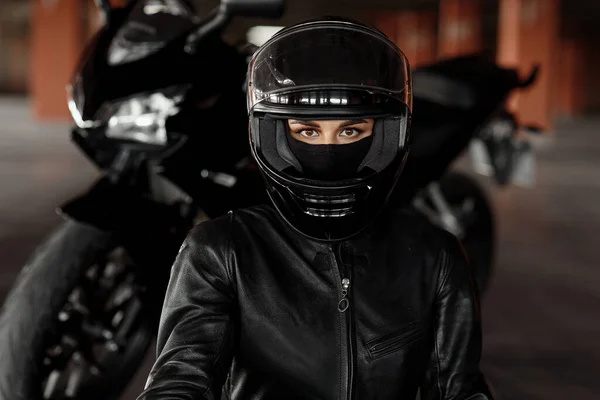
Proper protective gear is your first line of defense. Every piece of equipment can reduce injury severity and save your life.

  • DOT/ECE Approved Helmet: Reduces head injury risk by 69% and death risk by 42%
  • Protective Jacket: Abrasion-resistant materials like leather or reinforced textiles
  • Protective Pants: Long pants with knee and hip protection
  • Gloves: Full-finger gloves for grip and hand protection
  • Boots: Over-the-ankle boots with non-slip soles
  • Eye Protection: Face shield or safety glasses
  • Reflective Gear: High-visibility vests or reflective strips

Remember: Dress for the slide, not the ride. Road rash at 50km/h can be just as devastating as at 120km/h.

Defensive Riding Techniques

Stay Visible
  • Wear bright, reflective clothing
  • Use your headlight at all times
  • Position yourself in other drivers' line of sight
  • Avoid riding in blind spots
Road Positioning
  • Maintain proper lane position
  • Create space cushions around your bike
  • Use the "2-second rule" minimum
  • Scan constantly for hazards
Communication
  • Signal early and clearly
  • Make eye contact when possible
  • Use horn when necessary
  • Be predictable in your movements
Weather Awareness
  • Reduce speed in wet conditions
  • Avoid riding in severe weather
  • Increase following distance
  • Watch for slippery surfaces
Intersection Safety
  • Slow down at all intersections
  • Look left, right, and left again
  • Be extra visible when turning
  • Watch for turning vehicles
Vehicle Maintenance
  • Check tires regularly
  • Maintain proper tire pressure
  • Ensure brakes are responsive
  • Keep lights and signals working

Common Road Hazards for Motorcyclists

Vehicle-Related Hazards
  • Left-turning vehicles at intersections
  • Vehicles changing lanes without checking
  • Following too closely (tailgating)
  • Opening car doors in traffic
  • Large vehicles creating wind buffeting
Road Surface Hazards
  • Wet or slippery surfaces
  • Potholes and road debris
  • Oil spills and fluid leaks
  • Gravel and loose surfaces
  • Construction zones

Always scan the road ahead and maintain an escape route. Anticipate hazards before they become emergencies.

Night and Adverse Weather Riding

Riding at night or in poor weather conditions significantly increases risk. If possible, avoid these conditions entirely. When you must ride:

Night Riding Tips
  • Ensure your headlight is properly aimed
  • Wear reflective clothing
  • Reduce your speed
  • Increase following distance
  • Use your high beam when appropriate
Weather Riding Tips
  • Waterproof gear is essential
  • Reduce speed significantly
  • Avoid sudden movements
  • Be extra cautious on painted lines
  • Pull over if conditions become severe

Remember: No destination is so important that it's worth risking your life. When in doubt, don't ride.

Group Riding Safety

Group riding can be enjoyable and safer when done correctly, but it requires additional planning and communication:

Formation Guidelines
  • Ride in staggered formation
  • Maintain proper spacing
  • Most experienced rider leads
  • Sweep rider brings up the rear
Communication
  • Establish hand signals before riding
  • Use intercom systems if available
  • Plan routes and stops in advance
  • Ride within the skill level of the group

Emergency Procedures & First Aid

In Case of Accident
  1. Call emergency services (10177)
  2. Move to safety if able
  3. Don't remove helmet unless necessary
  4. Document the scene
  5. Exchange information
Emergency Preparedness
  • Carry a first aid kit
  • Have emergency contact information
  • Learn basic first aid techniques
  • Carry a charged phone
  • Consider motorcycle breakdown cover

Your safety is your responsibility. Ride within your limits, stay alert, and always be prepared for the unexpected.

Ride Safe, Arrive Alive

Every ride is a chance to practice safe riding habits. Your visibility, protective gear, and defensive riding techniques can save your life.