Fire Classifications
Critical for Vehicle Safety
Different fire types require different extinguishing methods. Using the wrong type can spread the fire or cause injury!
Class A Fires
ORDINARY COMBUSTIBLES
- Paper, wood, fabric
- Upholstery, carpets
- Cardboard packaging
- Rubber materials
✓ Water, foam, dry chemical
Class B Fires
FLAMMABLE LIQUIDS
- Petrol, diesel
- Oil, grease
- Paint, solvents
- Hydraulic fluids
✓ Foam, CO₂, dry chemical
✗ Never use water
✗ Never use water
Class C Fires
ELECTRICAL EQUIPMENT
- Vehicle wiring
- Electrical panels
- Motors, alternators
- Electronic devices
✓ CO₂, dry chemical
✗ Never use water/foam
✗ Never use water/foam
Class D Fires
COMBUSTIBLE METALS
- Magnesium wheels
- Aluminum parts
- Lithium batteries
- Metal powders
✓ Special dry powder
✗ Water makes it worse
✗ Water makes it worse
Class K Fires
COOKING OILS
- Cooking oils
- Animal fats
- Vegetable oils
- Food service areas
✓ Wet chemical
Rare in vehicles
Rare in vehicles
Common Vehicle Fire Scenarios
🔥 Engine Bay Fires
Usually Class B & C: Fuel leaks, electrical shorts, oil fires
⚡ Electrical Fires
Class C: Wiring problems, alternator, battery issues
🛞 Wheel/Brake Fires
Class A & D: Overheated brakes, magnesium wheels
💺 Interior Fires
Class A & C: Upholstery, cigarettes, electrical
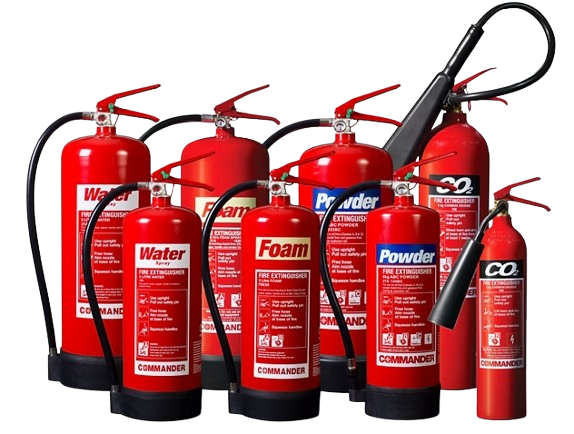
Extinguisher Types & Applications
Water Extinguishers
✓ Effective Against:
- Class A fires only
- Paper, wood, fabric
- Interior upholstery
✗ Never Use On:
- Electrical fires
- Fuel/oil fires
- Grease fires
Vehicle Use: Limited application. Mainly for interior fires when electrical power is disconnected.
CO₂ Extinguishers
✓ Effective Against:
- Class B & C fires
- Electrical equipment
- Fuel fires
⚠️ Limitations:
- Can re-ignite
- No cooling effect
- Displaces oxygen
Vehicle Use: Excellent for engine bay electrical fires. Clean, no residue.
Dry Chemical (ABC)
✓ Effective Against:
- Class A, B, C fires
- Most versatile
- Quick knockdown
⚠️ Considerations:
- Corrosive residue
- Can damage electronics
- Messy cleanup
Vehicle Use: Most recommended for general vehicle use. Handles multiple fire types.
Foam Extinguishers
✓ Effective Against:
- Class A & B fires
- Fuel spill fires
- Oil/grease fires
✗ Never Use On:
- Electrical fires
- Class C fires
- Live electrical equipment
Vehicle Use: Good for fuel fires. Forms barrier to prevent re-ignition.
Recommended Vehicle Extinguishers
🥇 Best Choice
2kg ABC Dry Chemical
- Handles Class A, B, C fires
- Compact size for vehicles
- Quick deployment
- Widely available in SA
Passenger Cars
Light Trucks
🥈 Alternative
2kg CO₂
- Clean, no residue
- Excellent for electrical
- Won't damage engine
- Professional grade
Luxury Vehicles
Electronics
🏭 Commercial
6kg ABC + 2kg CO₂
- Multiple extinguishers
- Larger capacity
- Professional setup
- Fleet requirements
Trucks
Buses
Commercial
Maintenance & Inspection
Monthly Inspection Checklist
Visual Inspection
Physical Checks
Professional Service Required
- Annual: Professional inspection and recharge if needed
- 5 Years: Hydrostatic testing for most extinguishers
- 12 Years: Replacement for most portable units
Storage Guidelines
✓ Proper Storage
- Secure mounting bracket
- Protected from weather
- Easily accessible
- Away from heat sources
- Upright position
✗ Avoid
- Loose in boot/trunk
- Direct sunlight
- Extreme temperatures
- Moisture/humidity
- Vibration damage
SA Climate: Extreme heat can affect pressure. Check gauge more frequently in summer.
Replace Immediately If:
Pressure Loss
Gauge in red zone
Physical Damage
Dents, cracks, corrosion
Missing Parts
Pin, seal, hose damage
Expired
Beyond service life
Vehicle-Specific Requirements
Emergency Procedures
PASS Technique
PULL
Remove safety pin
AIM
At base of fire
SQUEEZE
Handle firmly
SWEEP
Side to side
Vehicle Fire Response
1. IMMEDIATE ACTIONS (First 30 seconds)
- 🛑 Pull over safely - hazards on
- 🚪 Turn off engine - keys out
- 👥 Get everyone out - move upwind
- 📞 Call 10111 immediately
2. ASSESSMENT (30-60 seconds)
- 🔍 Identify fire location and size
- 💨 Check wind direction
- 🧯 Locate fire extinguisher
- 🚶 Ensure escape route clear
3. FIRE FIGHTING (If safe)
- 🎯 Approach from upwind side
- 🧯 Use PASS technique
- 🔥 Attack base of flames
- ↩️ Be ready to retreat
NEVER fight fires that are:
- Larger than you are tall
- Spreading rapidly
- Blocking your escape route
- Near fuel tank
Emergency Contacts
🚨 EMERGENCY SERVICES
10111
Fire, Police, Medical
🚗 AA Emergency
0861 000 234🏥 ER24
084 124📍 Location Information
- Highway name and direction
- Nearest kilometer marker
- GPS coordinates if available
- Landmarks (bridges, off-ramps)
📢 What to Tell Dispatcher
- "Vehicle fire on [location]"
- Number of people involved
- Any injuries
- Fire size and spread
- Traffic hazards
Tip: Save emergency numbers in your phone with location shortcuts.
Early Warning Signs
Smell
- Burning plastic
- Hot oil/rubber
- Electrical burning
- Fuel vapors
Visual
- Smoke from hood
- Steam/vapor
- Sparks/arcing
- Glowing components
Temperature
- Engine overheating
- Hot floor/pedals
- Burning dashboard
- Excessive heat
Sounds
- Electrical crackling
- Hissing/popping
- Engine knocking
- Unusual noises
Action: If you notice any of these signs, pull over immediately and investigate safely. Early detection saves lives and property.