Pet Safety Excellence
Pet Safety in Vehicles
Protecting your furry family members during vehicle travel through proper restraints, secure carriers, and safe travel practices.

Protecting your furry family members during vehicle travel through proper restraints, secure carriers, and safe travel practices.
Essential equipment and practices for pet safety during vehicle travel.
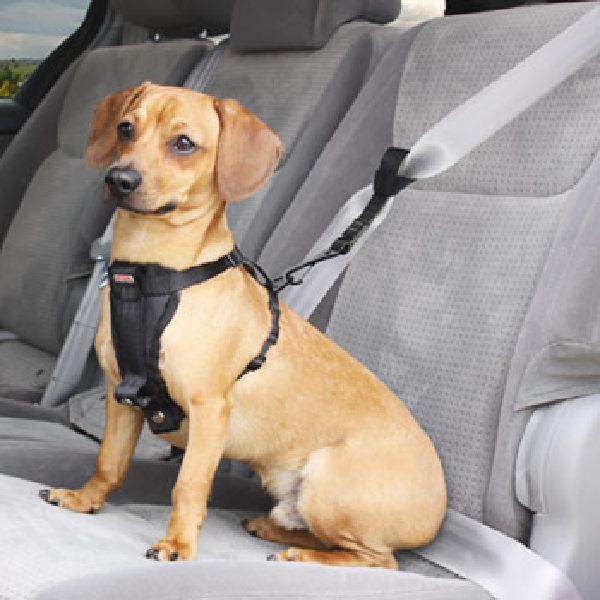
Essential safety harnesses that work with existing seatbelts to protect pets and passengers during travel, emergency stops, or collisions.
A properly fitted pet harness prevents your pet from becoming a projectile during sudden stops, protecting both your pet and all passengers.
Secure carriers and crates provide safe environments for smaller pets, properly secured to prevent movement during sudden stops or accidents.
Well-ventilated carriers should be secured with seatbelts and positioned where your pet can see you, reducing travel anxiety.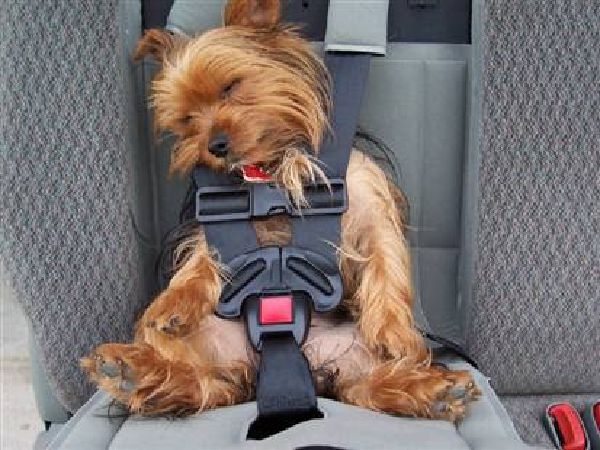
Correct installation and usage of pet restraints is crucial for maximum protection during travel, emergency braking, and collision scenarios.
Always test restraint systems before traveling and ensure your pet is comfortable through gradual introduction.Pets are often considered family members and travel with us in our vehicles. As with children or anything else not safely secured, they too can be injured or cause injury to other passengers in the vehicle. Unrestrained pets can become dangerous projectiles during sudden stops or collisions.
An unrestrained 60-pound dog in a car traveling 35 mph can exert 2,700 pounds of force in a collision - enough to seriously injure or kill passengers. Never allow pets to ride in the front seat, stick their heads out windows, or roam freely in the vehicle.
Protecting your pets during travel is just as important as protecting your family. Explore our other safety resources for comprehensive protection.